01Overview

What is penetration grade bitumen

Penetration grade bitumen is refinery bitumen classified by penetration depth — the distance, in tenths of a millimetre, that a standard needle penetrates the sample at 25°C. As dedicated penetration grade bitumen suppliers, Bitumax offers a comprehensive range of grades, from harder 30/40 and 40/50 to softer 80/100 and 85/100, to match your climate, traffic load and paving requirements for road construction and asphalt production worldwide.

Penetration Grade Bitumen 60/70, 80/100 Supplier
02Grades & specifications

Penetration grade bitumen specifications

Indicative penetration (at 25°C, in tenths of a millimetre) and softening point ranges for each grade, tested to EN 1426 and EN 1427. Full certificates of analysis accompany every shipment — request a grade below for a spec sheet and price.

Penetration Grade Bitumen 40/50

Penetration (0.1 mm)
40–50
Softening point (°C)
52–60

High-traffic highways in warm regions; dense asphalt concrete.

Penetration Grade Bitumen 30/40

Penetration (0.1 mm)
30–40
Softening point (°C)
55–63

Very hot climates and heavy axle loads; hard-wearing base and binder courses.

Penetration Grade Bitumen 50/70

Penetration (0.1 mm)
50–70
Softening point (°C)
46–54

General road paving across temperate to hot climates; the European workhorse grade.

Penetration Grade Bitumen 60/70

Penetration (0.1 mm)
60–70
Softening point (°C)
46–56

Highways and airport asphalt in hot climates; excellent rutting resistance.

Penetration Grade Bitumen 70/100

Penetration (0.1 mm)
70–100
Softening point (°C)
43–51

Cooler climates and surface dressing; improved low-temperature flexibility.

Penetration Grade Bitumen 80/100

Penetration (0.1 mm)
80–100
Softening point (°C)
41–51

Cold regions and lighter traffic; resists thermal cracking.

Penetration Grade Bitumen 85/100

Penetration (0.1 mm)
85–100
Softening point (°C)
45–52

Severe temperature swings; flexible pavements and chip seals.

03Applications

Where penetration grade bitumen is used

The most widely specified binder in road construction, chosen by penetration to match climate, traffic and mix design.

Road construction & highways

The primary binder for hot-mix asphalt base, binder and wearing courses on national and municipal roads.

Hot-mix asphalt (HMA)

Blended with graded aggregate at asphalt plants to produce dense, durable paving mixes.

Surface dressing & chip seal

Sprayed and chipped for cost-effective surface rejuvenation and skid resistance.

Airport runways & aprons

Harder grades deliver the deformation resistance heavy aircraft loading demands.

Bridge & industrial paving

Reliable adhesion and fatigue performance for decks, yards and hardstanding.

Asphalt production & export

Feedstock for asphalt producers and blenders formulating modified and specialty binders.

04Packaging & logistics

Packaging & logistics

Every grade ships in the format your project and port handling require, with certificates of analysis and full export documentation.

Bulk

Bitutainers and hot tankers deliver cost-effective transport for large-scale asphalt plants and projects.

Drummed

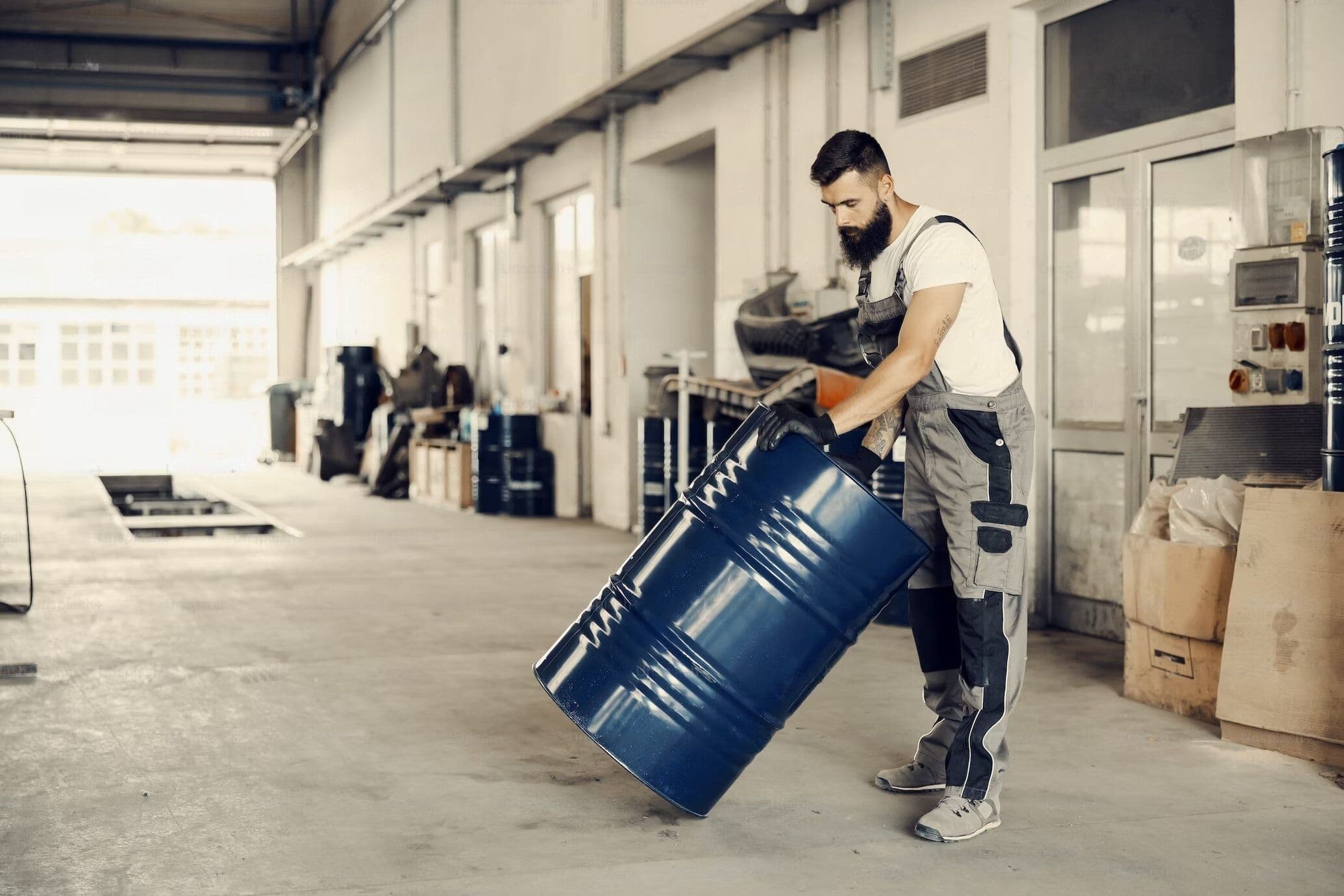
New steel drums (around 150–180 kg net) for containerised shipment and more manageable quantities.

Jumbo Bags

FIBCs (Flexible Intermediate Bulk Containers) for flexible handling where hot bulk infrastructure is limited.

05Buyer's guide

How to choose the right penetration grade

A quick selector — match the grade to your climate, traffic and mix. Not sure? Send your project details and our technical team will recommend a grade.

01

Start with climate

Hotter mean pavement temperatures call for harder, lower-penetration grades (30/40, 40/50, 60/70); cold climates favour softer 80/100 and 85/100 to avoid thermal cracking.
02

Weigh traffic & loading

Heavy, slow or channelised traffic (ports, intersections, freight corridors) benefits from harder grades that resist rutting; lighter roads can use softer binders.
03

Match the mix & standard

Confirm the grade named in your specification (EN 12591, ASTM D946, IS 73) and mix design — we supply to the exact penetration and softening-point band required.
04

Confirm packaging & Incoterms

Choose bulk, drums or bags to suit port handling, then request FOB or CIF pricing to your destination with lead time confirmed.
06Specs & standards

Tested to international standards

Bitumax penetration grades are produced and certified against the specifications your engineers and consultants require.

EN 12591

European paving grade

The European specification for paving-grade bitumen classified by penetration, including 50/70 and 70/100.

ASTM D946

US penetration grading

American specification covering 40–50, 60–70 and 85–100 penetration grades for paving.

AASHTO M20

Highway paving

AASHTO material spec for penetration-graded asphalt cement used across US highway agencies.

IS 73

Indian standard

Indian standard for paving bitumen, widely referenced across South Asian tenders and projects.

FAQ

Frequently asked questions

Everything you need to know about sourcing, grades and logistics. Reach out for anything not covered here.

08In depth

A complete guide to penetration grade bitumen

What penetration grade bitumen is

Penetration grade bitumen is the workhorse binder of global road construction. Refineries classify it by the depth a standard needle penetrates the sample at 25°C, expressed in tenths of a millimetre — so bitumen 60/70 is harder than bitumen 80/100. Bitumax supplies the full ladder of grades, from 30/40 through to 85/100, each backed by a certificate of analysis confirming penetration, softening point, ductility and flash point.

Choosing the right grade for your project

Grade selection comes down to climate, traffic and mix design. Hot climates and heavy corridors favour harder grades such as 40/50 and 60/70 for rutting resistance, while cooler regions use softer 80/100 and 85/100 to resist thermal cracking. Where your specification calls for a performance-based binder instead, see our viscosity grade bitumen (VG-10 to VG-40) — VG-30 broadly corresponds to a 60/70 penetration grade. For blown, high-softening-point applications like roofing and waterproofing, our oxidized bitumen range is the right family, and for prime and tack coats applied cold, choose cutback bitumen.